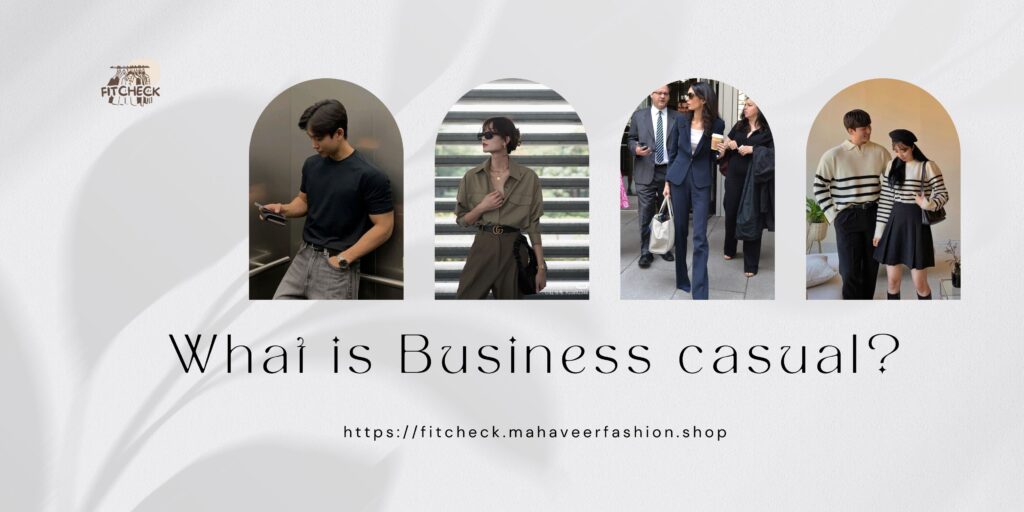
Business casual is a dress style that mixes formal business clothes with a more relaxed look—without being too casual. It’s the middle point between wearing a full suit and everyday clothes, giving you a clean, professional appearance that’s still comfortable and friendly.
Business casual ideas
Bottoms: Slacks, business dress pants, khakis, chinos, dark jeans (no holes or distressing), or knee-length skirts.
Tops: Button-down shirts, blouses, sweaters, polo shirts, or henleys.
Dresses: Knee-length or maxi dresses in modest styles.
Layers: Optional cardigans, blazers, or sport coats—especially useful during cooler months .
Footwear: Closed-toe shoes such as loafers, Oxfords, ankle boots, pumps, or flats.
Accessories: Keep it simple and professional with items like belts, scarves, or understated jewelry.
Business Casual for Men
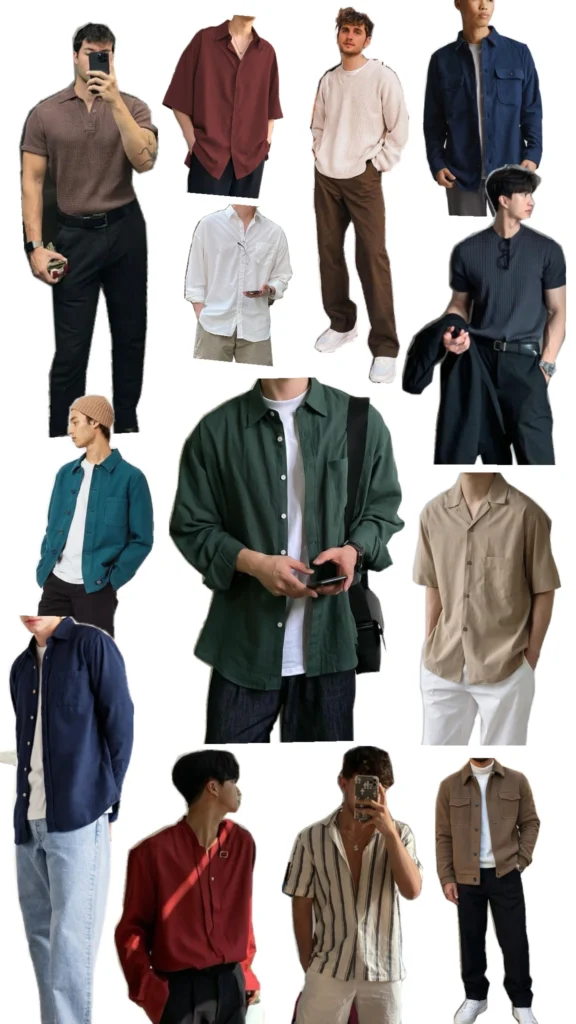
Tops to style with business casuals
Button-down shirts: Go with solid colors, simple patterns, or checks. Long sleeves are usual, but short sleeves are fine in warm weather or casual offices.
Polo shirts: “Great for more casual places. Pick a nice fabric and make sure it fits well. Sweaters: “Wear a crewneck or V-neck sweater over a shirt when it’s cold. Avoid thick or very casual sweaters.” Henley shirts (optional): In very casual environments, may be acceptable if paired with dressier bottoms.
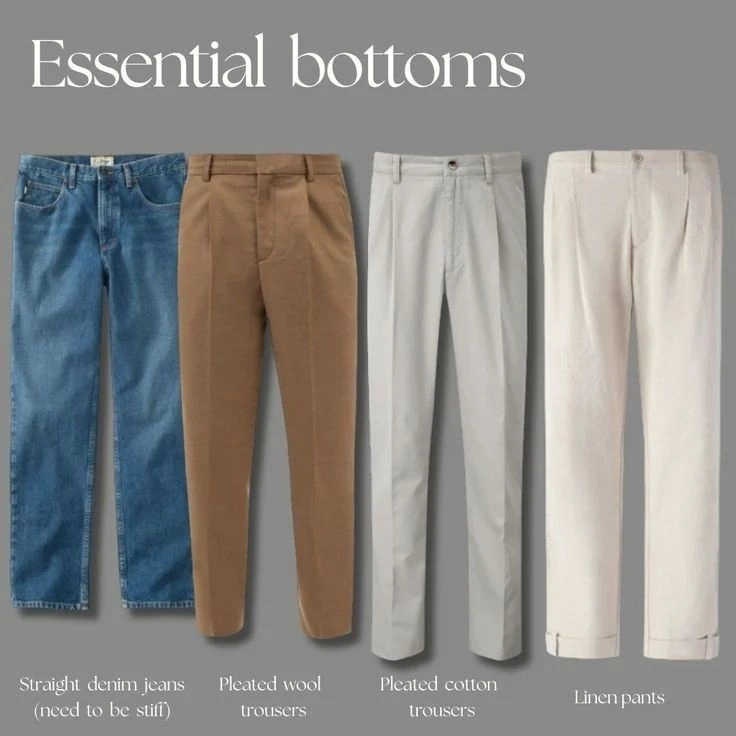
Bottoms to style with business casual
Chinos or khakis:These are great for business casual. Pick neutral colors like navy, beige, gray, or olive.
Dress pants or slacks: A bit more formal, great for presentations or meetings.
Dark jeans (if allowed): In some jobs, dark jeans that fit well and have no rips are okay to wear.
Outerwear
Blazers or sport coats:Helps you look sharp without wearing a full suit. Wear it over a shirt or sweater for a clean look.
Cardigans: A softer alternative to a blazer that adds structure and warmth.
Footwear to match with business casual
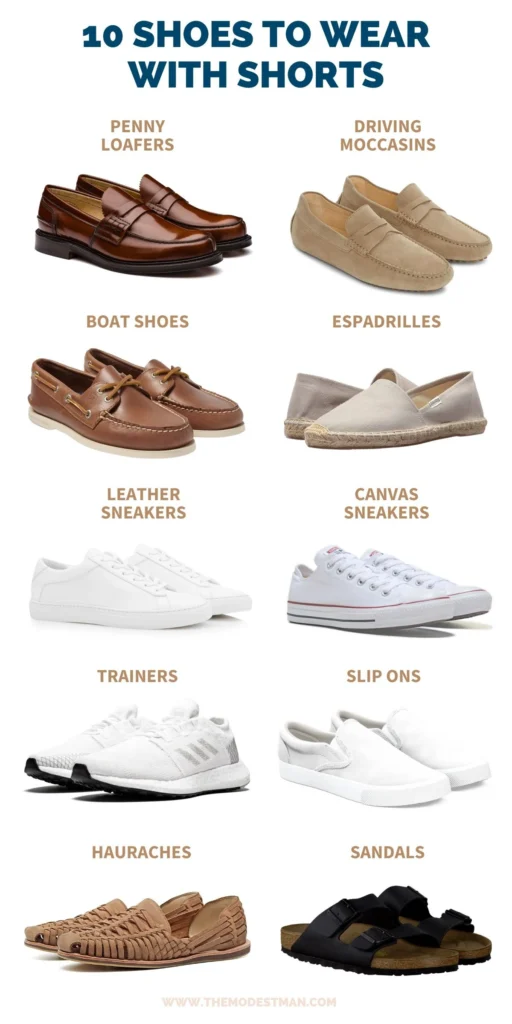
Loafers, Oxfords, brogues:Classic and always look professional.
Derby shoes or monk straps: Stylish yet suitable for business settings.
Dress boots: Clean leather boots can work well in fall and winter.
Accessories to match with business casual
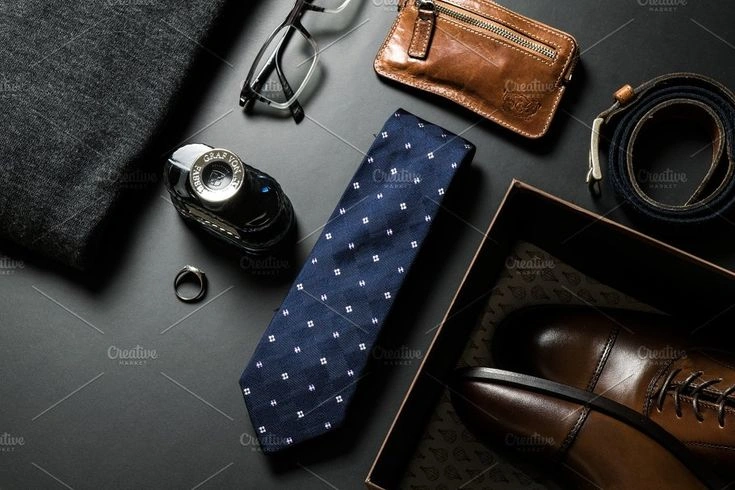
Belts: Should match your shoes in color and tone.
Watches: A classic timepiece adds a professional touch.
Ties (optional): Not required, but can elevate your outfit when needed.
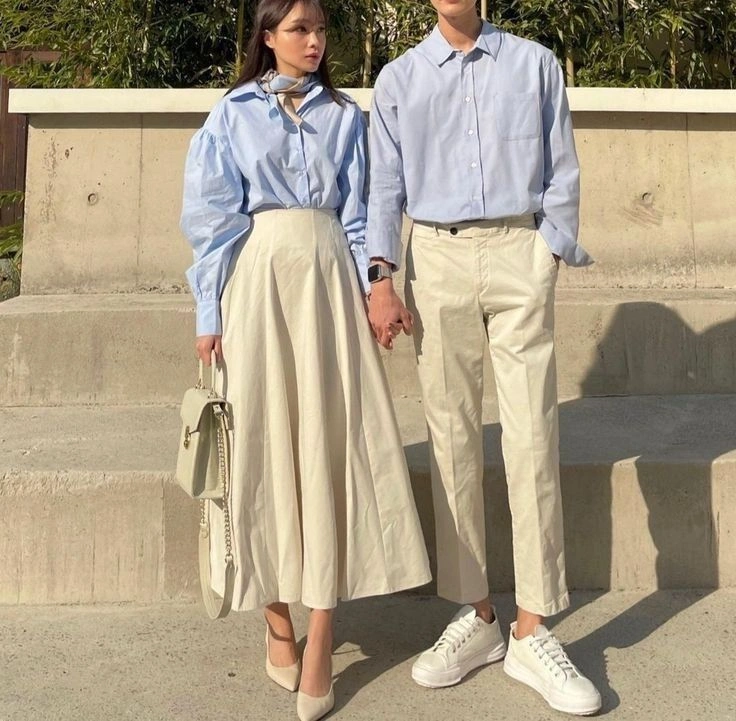
Business Casual for Women
Tops to style with business casual
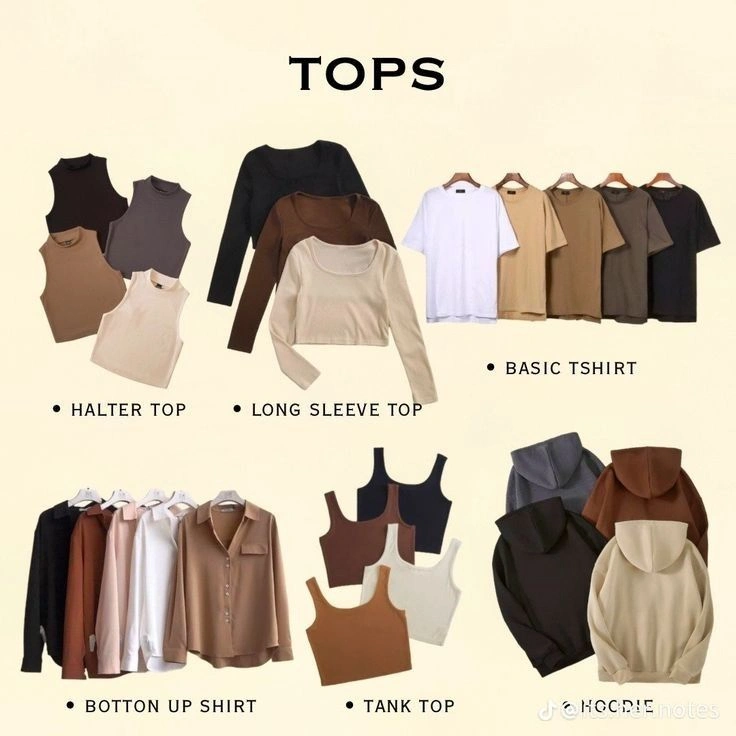
Blouses and Button-down Shirts: These are basic pieces for business casual. Pick clean, well-fitted ones in solid colors, soft prints, or simple patterns. Don’t wear anything too see-through or low-cut. Knit Tops and Sweaters:Light sweaters, cardigans, and thin knits are good, especially when it’s cooler. Wearing a cardigan or sweater over a blouse looks professional. Blazers: A blazer that fits well makes any outfit look better. Wear it with pants, a skirt, or over a dress for a neat, polished look. Shell Tops or Camisoles (with a layer): These are good for layering under jackets or cardigans but shouldn’t be worn alone unless they cover fully.
Bottom to style with business casual
Dress Pants and Slacks:A must-have for any business casual closet. Go for well-fitted styles in neutral colors like black, navy, or gray. Chinos or Khakis:A bit more relaxed than dress pants but still good for most office environments
Skirts: Knee-length or midi skirts work best. Pencil, A-line, or pleated styles are all great options. Just avoid skirts that are too short or too tight.” Dresses: Knee-length or maxi dresses with modest cuts are a good choice. Pick professional fabrics and structured shapes instead of something too casual or flowy
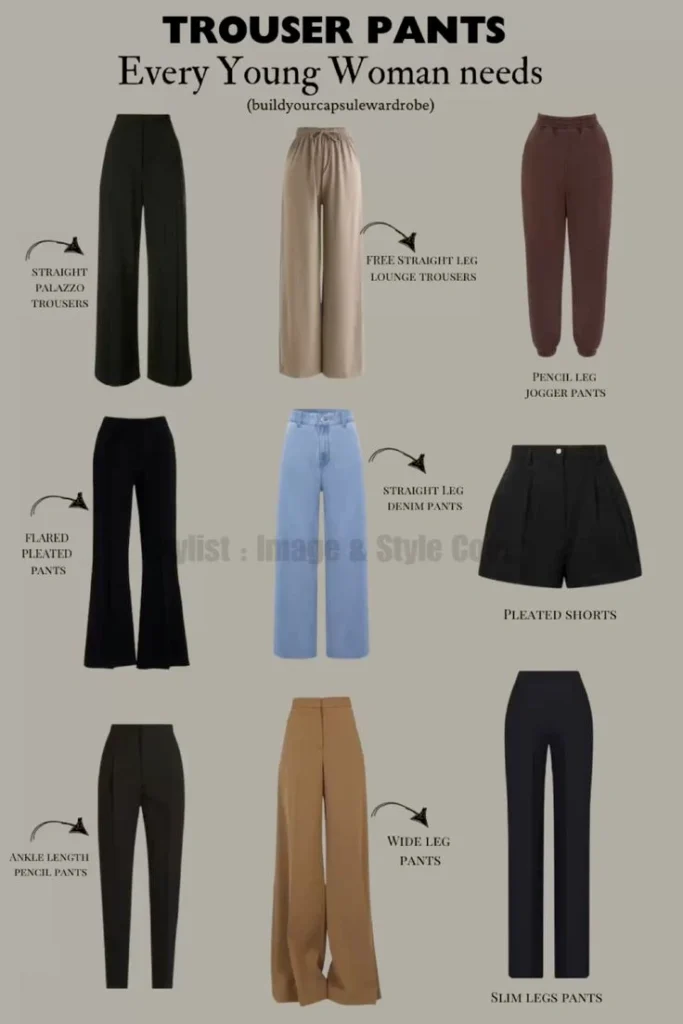
Footwear to style with business casuals
Flats: Comfortable and professional, ballet flats, loafers, or pointed-toe flats are versatile options.
Heels: Closed-toe heels, like pumps or block heels, in neutral colors are great for business casual. Stick to a moderate height—around 2 to 3 inches—for comfort and a polished looks Boots: Ankle boots or low-heeled boots can be stylish and office-friendly.
Sneakers: Simple, clean sneakers in neutral colors like white or black leather can work in very casual or creative offices—but it’s best to check your company’s dress code first

Accessories with business casuals
Jewelry: Keep it simple and classy with stud earrings, small hoops, delicate necklaces, or classic bracelets. Avoid big or flashy pieces. Belts: A thin belt in a neutral color helps shape your outfit, especially with tucked-in tops or dresses. Scarves: Light scarves add a bit of color and style while still looking professional. Handbags: Pick structured bags like totes or satchels that match your outfit without standing out too much.
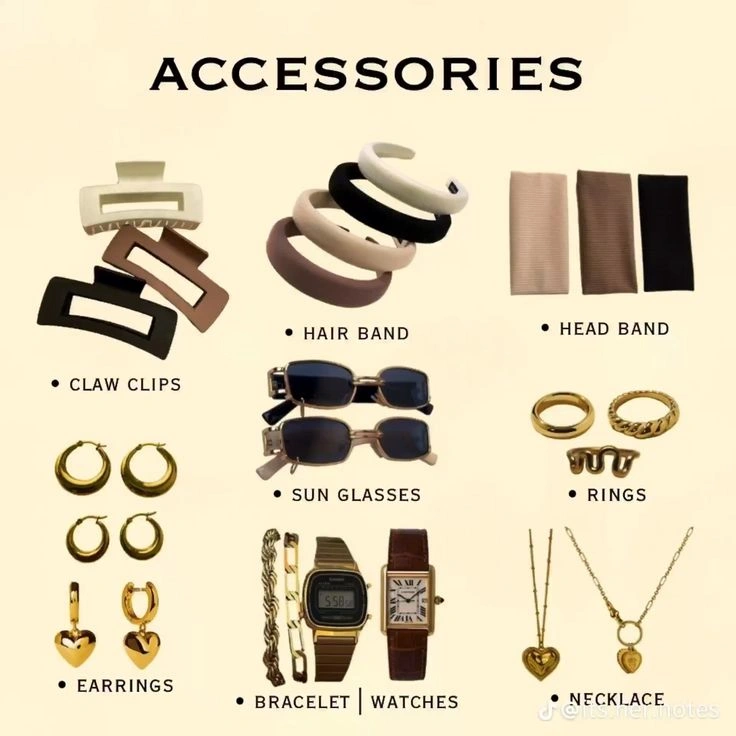
Gender-Neutral Business Casual
Gender-neutral business casual is all about dressing in a way that looks professional and put-together—without depending on traditional “men’s” or “women’s” clothing styles. It focuses on comfort, clean lines, and a polished look that works for anyone.
Button-up shirts, Polo shirts, Turtlenecks, Sweaters, Blazers, Cardigans, Tailored trousers, Dark jeans, Minimal sneakers
Defining business casual by industry
Business casual can look different depending on what industry you work in—and even from company to company.
- Agencies (like advertising or marketing): These jobs often allow for more creativity in how you dress. Feel free to add a pop of color, a fun pattern, or a unique accessory to show some personality.
- Education: Teachers and school staff usually have some flexibility. Khakis with a polo shirt and loafers work great, or even dark jeans paired with a neat shirt and flats or oxfords. It’s all about looking neat but staying comfortable.
- Entertainment: Like agencies, this field tends to be more relaxed and creative. Bold accessories, trendy outfits, or statement pieces are usually okay.
- Fashion: The usual business casual rules often don’t apply here. People working in fashion usually dress to reflect their own style, and staying on trend is often expected.
- Finance: This industry leans more conservative. Think dress pants, button-up shirts, maybe a blazer. Simple accessories like watches or ties are common and appropriate.
- Medical: If you’re in healthcare, you’re probably wearing scrubs or a lab coat on the job. When you’re not in uniform, casual and comfortable clothes are fine—especially since you’re on your feet a lot.
- Service industry (retail, hospitality, etc.): Uniforms are usually standard in this field, so your main choices are shoes and minimal accessories. Comfortable flat shoes are key!
- Tech: Tech companies can vary widely. Some are super casual, while others lean business casual. When in doubt, dress a little more conservatively, or check with HR about their dress code.
What to Avoid: Outfits that Aren’t Business Casual
T-shirts with logos or slogans
Tank tops or spaghetti straps
Hoodies or sweatshirts
Ripped, distressed, or faded jeans
Shorts
Leggings (worn alone)
Athleisure or gym wear
Full business suits
Tuxedos or cocktail dresses
Overly formal shoes
Low-cut tops or backless shirts
Short skirts or dresses See-through fabrics
Excessively tight clothing
Wrinkled or stained clothing
Flashy or noisy accessories
Flip-flops or beach sandals
Dirty sneakers
High stilettos
Slippers or Crocs
for more inspiration https://www.bewakoof.com/blog/business-casual-attire/
FAQ
